Empowering Youth Participation & Democratic Engagement: First Youth4Change Online Training of Trainers
13 October 2026 | Online | Organised and moderated by JKPeV
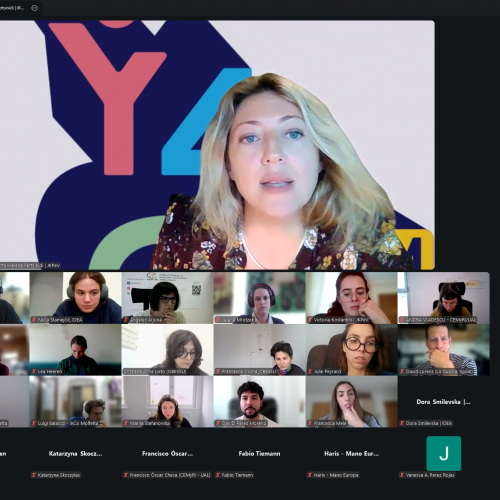
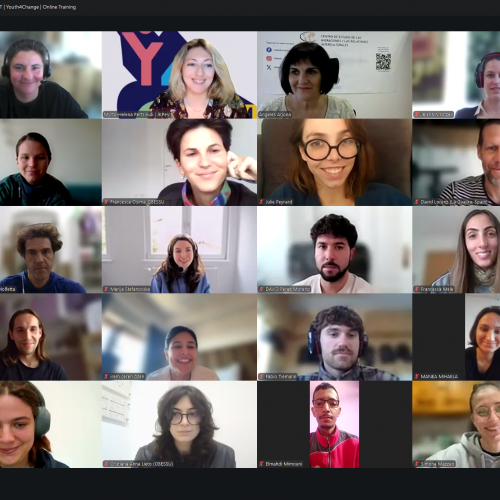
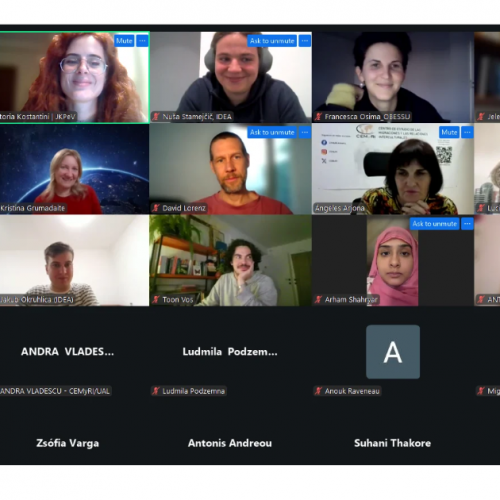
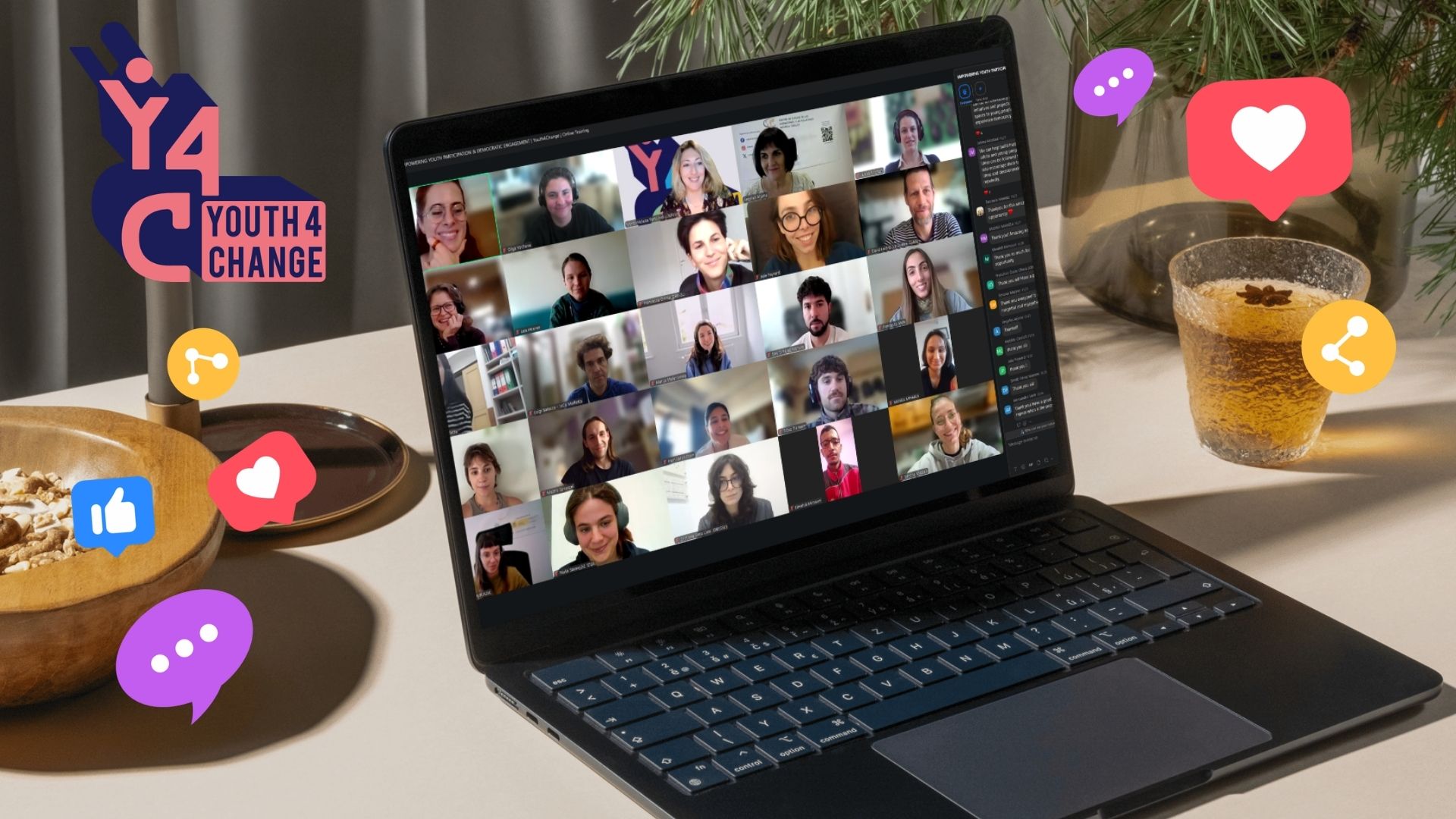
On 13 October 2026, 72 trainers, youth workers, teachers and educators from across Europe and beyond met online for the first Youth4Change Training of Trainers.
The training was organised and moderated by JKPeV (Jugend- & Kulturprojekt e.V.), the project coordinator, with support from all partners in the development, presentation and facilitation of the activities.
The first online training session focused on one question: How can youth workers help young people move from passive participation to meaningful democratic engagement?
The session was designed to be experienced, not lectured. Participants switched between two roles. First, they took part in each activity as learners in breakout rooms. Then, they stepped back to reflect on it as facilitators: what worked, what they would adapt, and what their own young people would need.
Welcome and Introduction – JKPeV
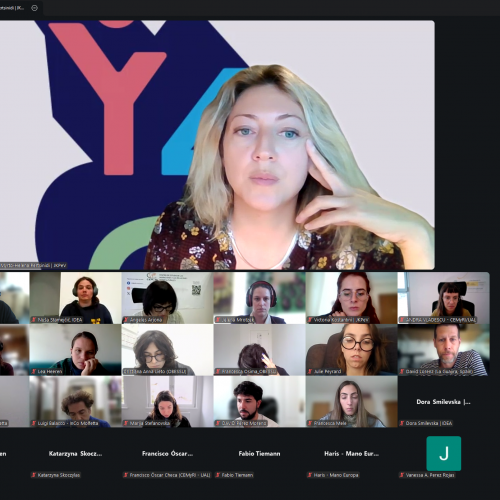
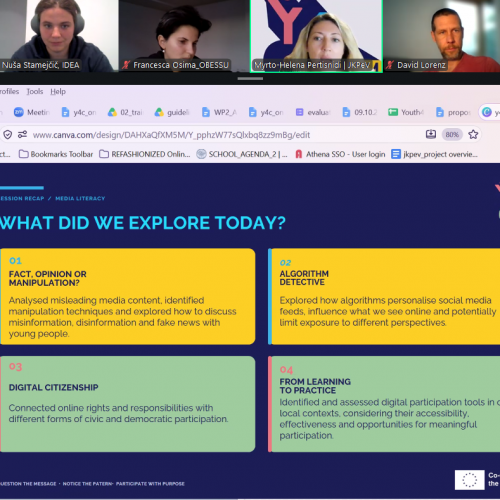
Myrto-Helena Pertsinidi from JKPeV opened the session by introducing the Youth4Change project, its partners and the goals of the training.
An opening poll asked participants: “What is the biggest challenge in civic education today?” Their answers highlighted shared concerns that came up throughout the session.
Setting the Scene: Civic Education Today – JKPeV
Current trends in youth participation across Europe were then presented. The main message was that young people are not disengaged, but the ways they participate are changing.
According to the 2024 EU Youth Survey of more than 25,000 young people aged 16–30:
39% had voted in an election.
26% had signed or created a petition.
20% had volunteered.
19% had posted an opinion online about a political or social issue.
At the same time, estimated turnout among voters under 25 in the European elections fell from 42% in 2019 to 36% in 2024. Social media, misinformation, polarisation and unequal access continue to shape who takes part and whose voice is heard.
JKPeV also shared findings from the Youth4Change needs analysis carried out by the partners. In Germany, 49.1% of respondents believe their participation will change nothing, and 43.1% report a lack of information.
Young people across partner countries described consultations where their opinions were heard but had little effect on final decisions.
Based on these findings, the partners recommend:
Teaching real influence, not only institutional theory.
Using active, experiential methods.
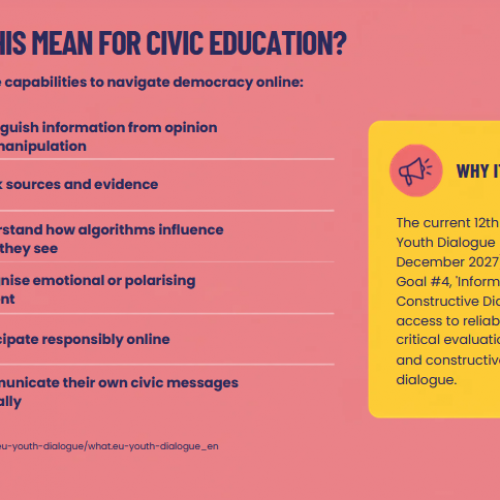
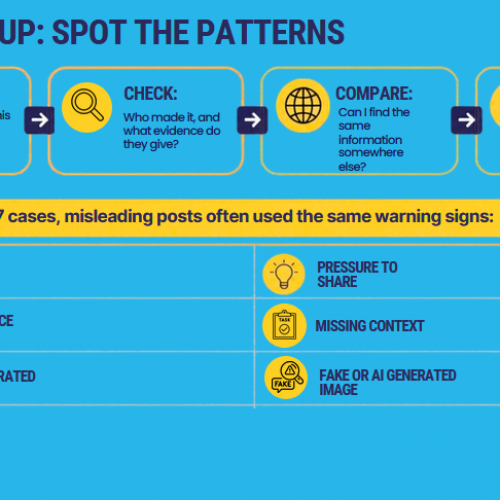
Strengthening critical algorithmic literacy.
Designing inclusive learning for diverse groups of young people.
Building educators’ skills in moderating open, constructive dialogue.
In small groups, participants then discussed the challenges and opportunities they see in their own contexts.
Democracy in Practice: “Where Do You Stand?” – University of Almería
Andra Lorena Vladescu and Francisco Checa Fernández from the University of Almería led an activity showing that democracy is not only something that happens on election day.
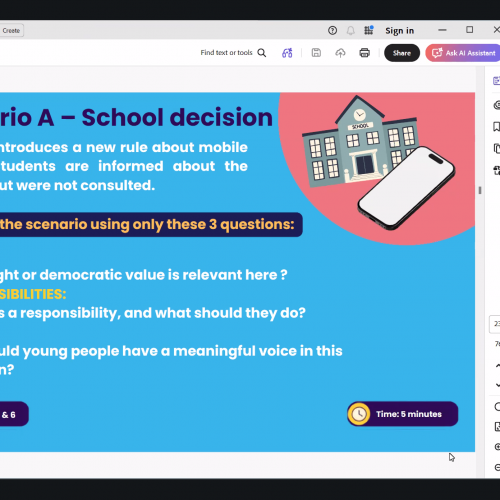
In breakout rooms, groups looked at everyday situations young people face. For example:
A school introduces a mobile phone ban without consulting students.
A park used by young people is redesigned after consulting only businesses and residents over 30.
A young person is personally attacked online for criticising a local decision.
A youth centre’s programme is decided by adults without asking its young users.
Each group analysed its situation through three lenses: rights, responsibilities and voice.
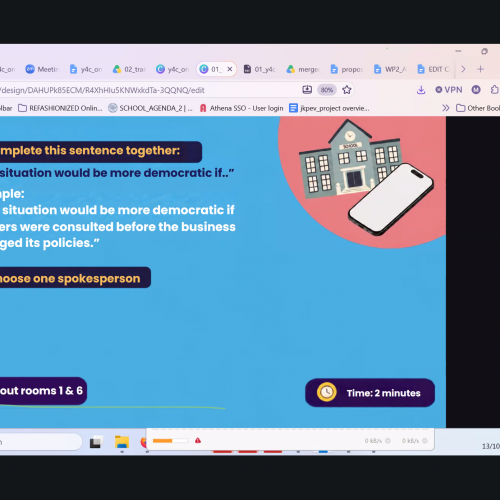
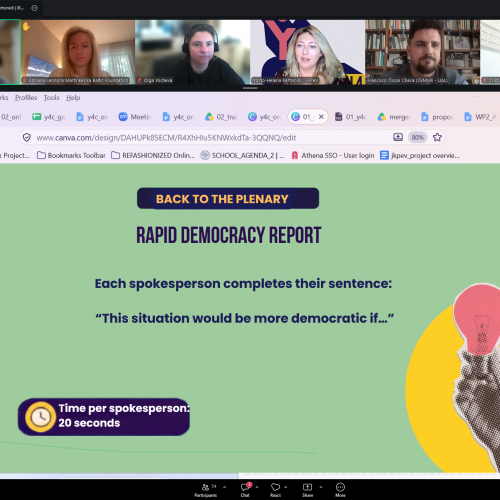
They then completed the sentence: “This situation would be more democratic if…”
The activity showed how a simple, reusable method can open up discussions about democratic citizenship.
Build Your Ideal Democracy – IDEA
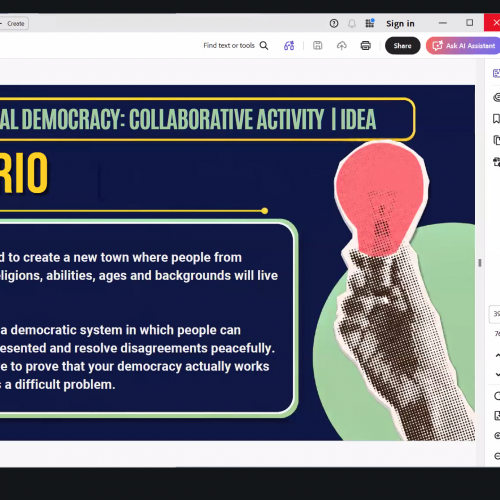
Nuša Stamejčič from IDEA invited participants to design a new town where people of different cultures, ages, abilities and backgrounds live together.
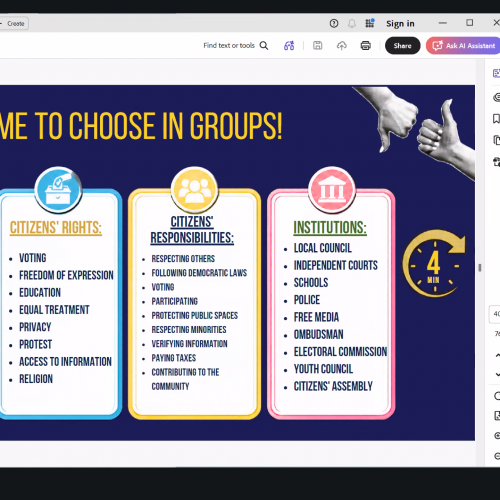
Groups chose its core democratic values, institutions, priority rights and citizen responsibilities. Then, they tested their system against real challenges, such as fake news before an election, low youth voter turnout, corruption, hate speech and the exclusion of a minority community.
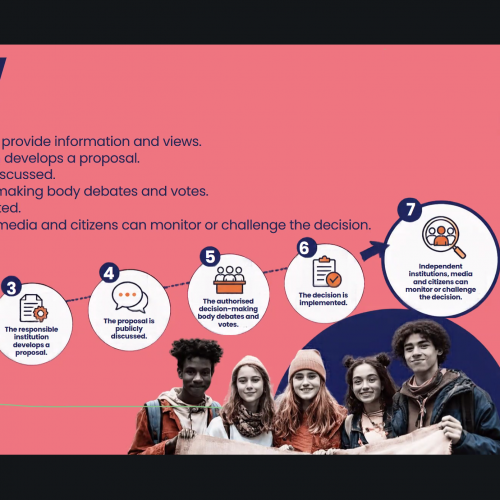
For each challenge, groups mapped out the democratic procedure step by step:
Who raises the issue?
Who is consulted?
Who decides?
Who carries out the decision?
Who monitors it?
The main lesson was that consultation is not the same as decision-making. Meaningful participation depends on being clear about who can influence a decision and what happens to people’s contributions.
Civic Participation Simulation: One-Minute Town Hall – JKPeV
In the central activity of the training, led by Myrto-Helena Pertsinidi from JKPeV, participants imagined that their municipality had €100,000 to improve opportunities for young people, but only one project could be funded:
A youth and cultural centre.
A sports facility.
A digital innovation hub.
A community garden.
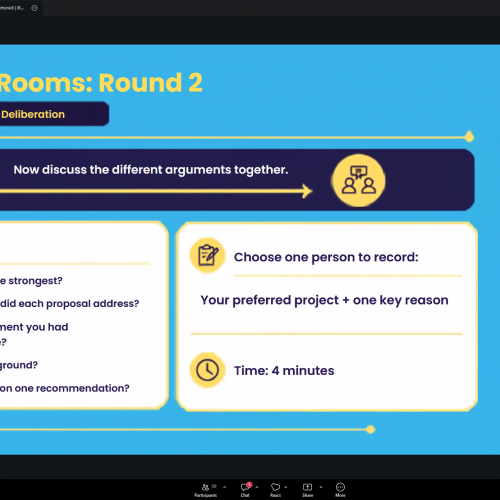
Participants first voted individually. In small groups, they then listened to each other’s reasons without interrupting, discussed trade-offs and tried to agree on a recommendation.
A second vote showed how hearing other perspectives can change positions.
The simulation let participants experience the difference between simply voting and deliberating, a method they can easily adapt for young people.
From Tokenism to Meaningful Participation – OBESSU
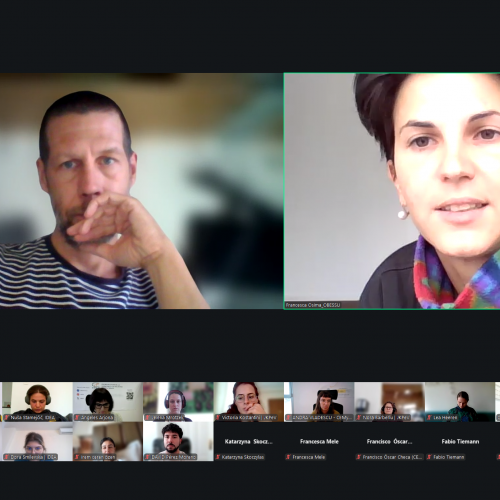
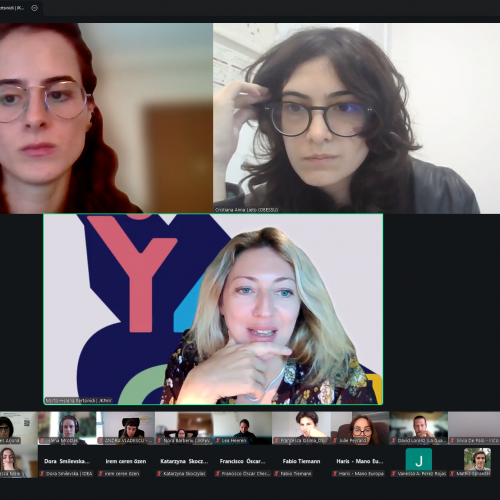
Francesca Osima and Cristiana Anna Lieto from OBESSU closed the content part of the training by looking at the quality of youth participation.
Using Hart’s Ladder of Participation, participants analysed case studies. They discussed when young people are only decoration or tokens, and when they actually share in or lead decisions.
Groups then turned to their own work. They identified barriers to meaningful participation, such as:
Lack of information.
Inaccessible meetings.
Adult-dominated decisions.
No visible impact.
They also identified factors that enable meaningful participation, including:
Transparent information.
Safe spaces.
Supportive adults.
Feedback from decision-makers.
Finally, each participant named one practical action they could take themselves.
Key Takeaways and Closing – JKPeV
The session closed with participants sharing one thing they were taking away and one thing they would like to try with young people.
The training explored democracy as something lived through rights, responsibilities and voice; deliberation as more than voting; and the difference between symbolic and meaningful youth participation.
We warmly thank all participants, as well as the presenters from the University of Almería, IDEA, OBESSU and Jugend- & Kulturprojekt e.V. for their valuable contributions.
Special thanks also go to the breakout room facilitators from OBESSU, Mano Europa, IDEA, InCo Molfetta, La Guajira and Jugend- & Kulturprojekt e.V. for supporting the interactive activities and discussions.