- 30-31 October 2026
- Molfetta, Italy
- Photo
Transnational Face-to-Face Civic Education Programme & Study Visits – Molfetta (Italy)
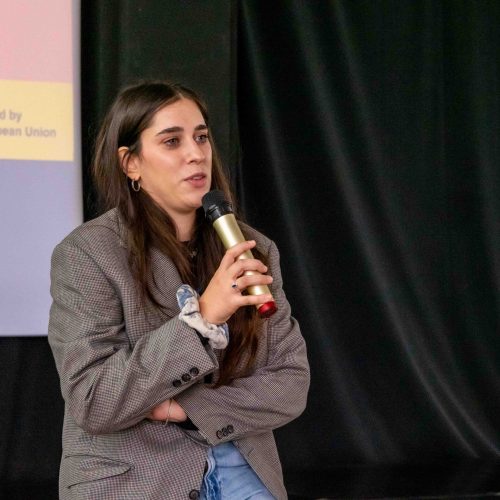
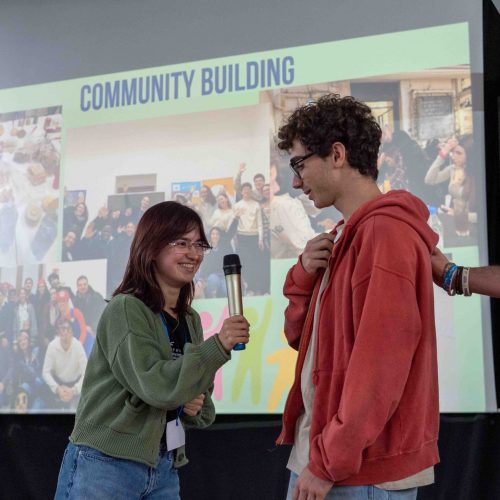
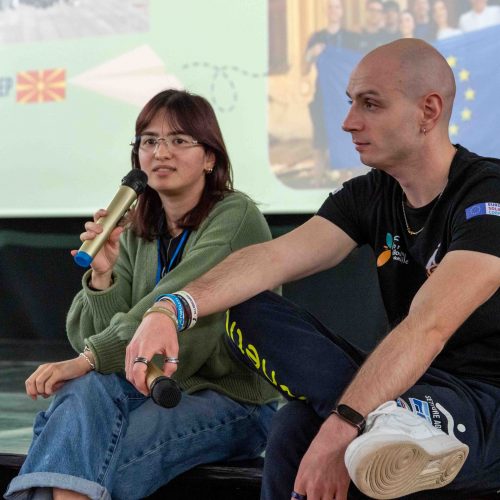
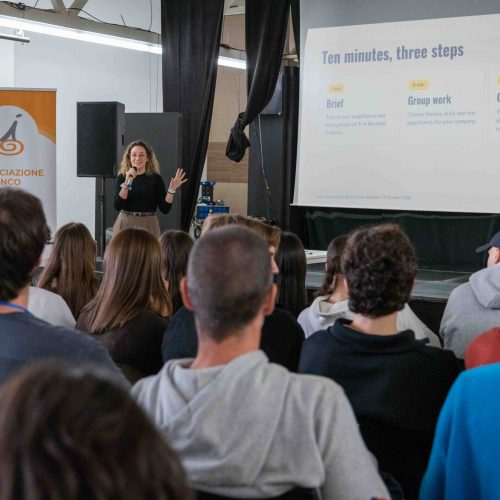
Two days of exchange, ideas and participation brought together young people, youth workers, civil society organisations and decision-makers from across Europe to explore how young people can shape their communities and take an active role in democratic life.
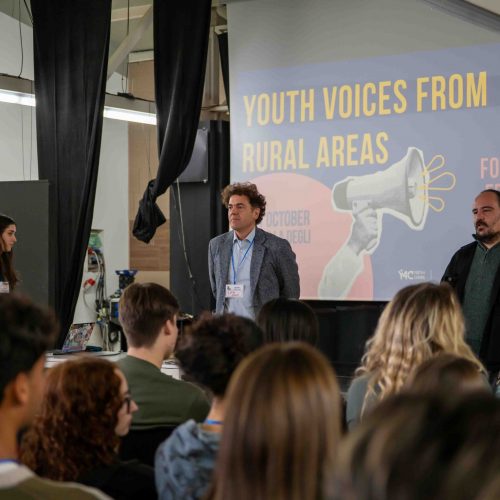
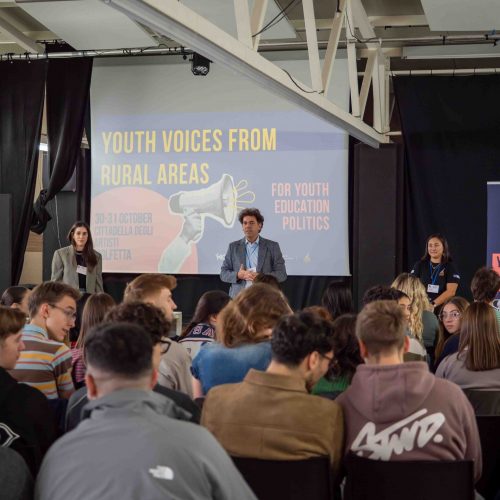
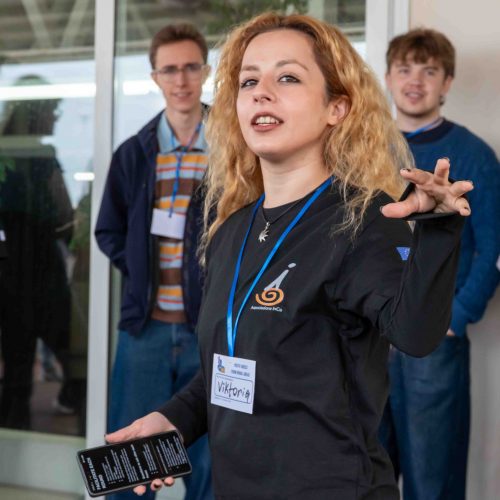
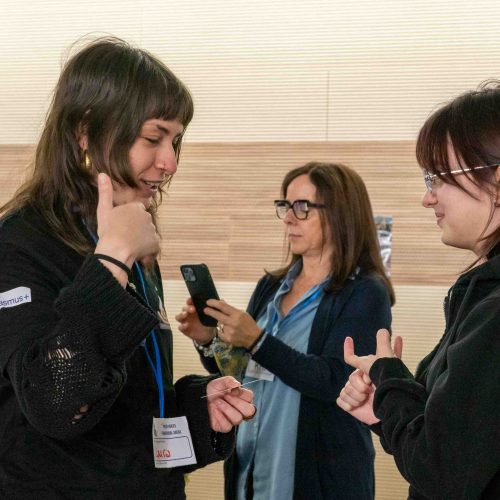
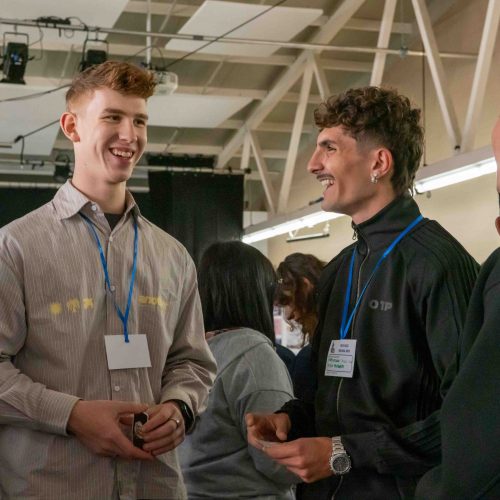
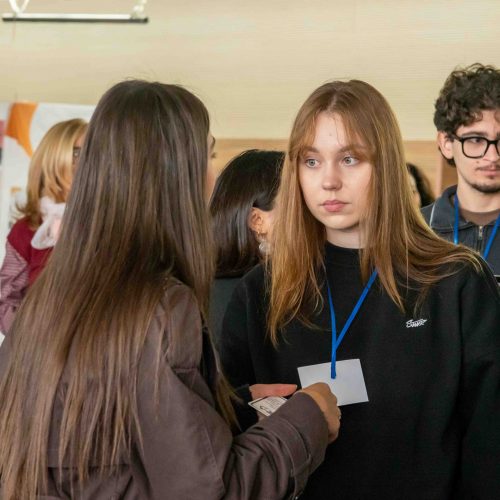
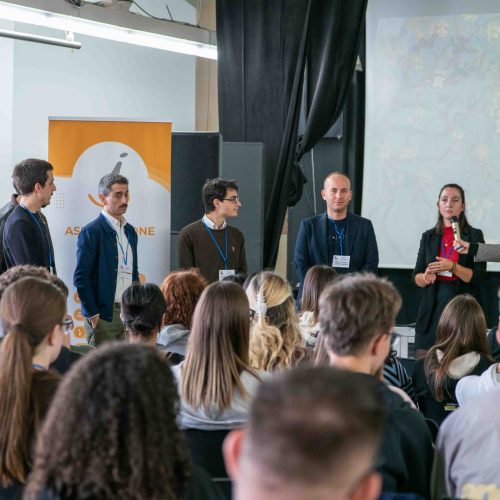
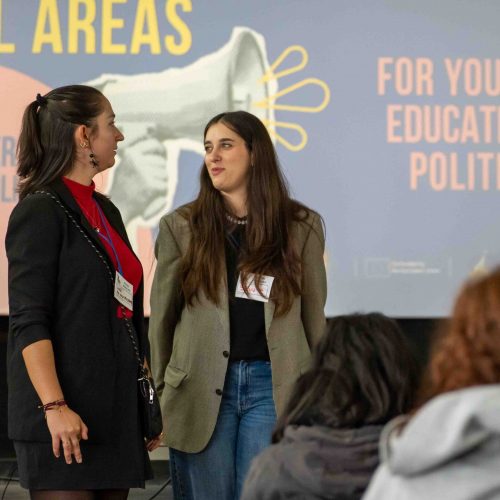
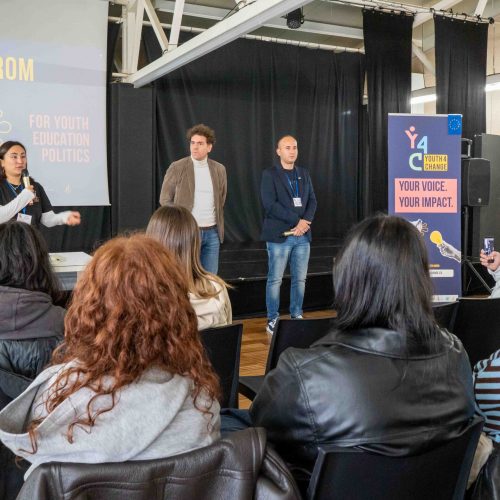
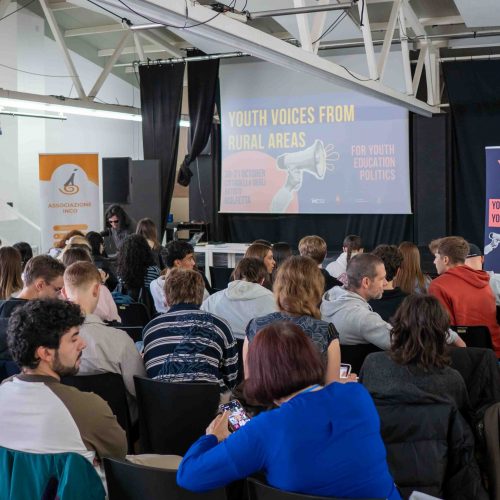
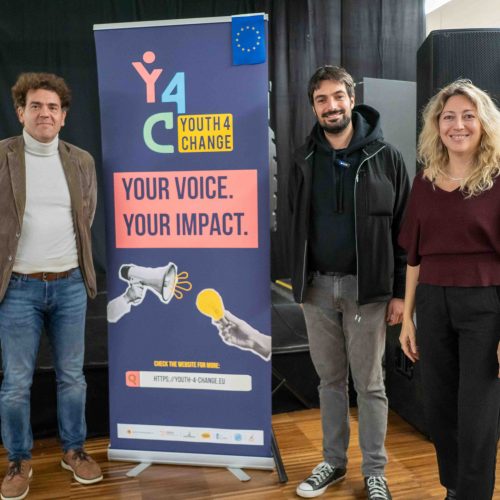
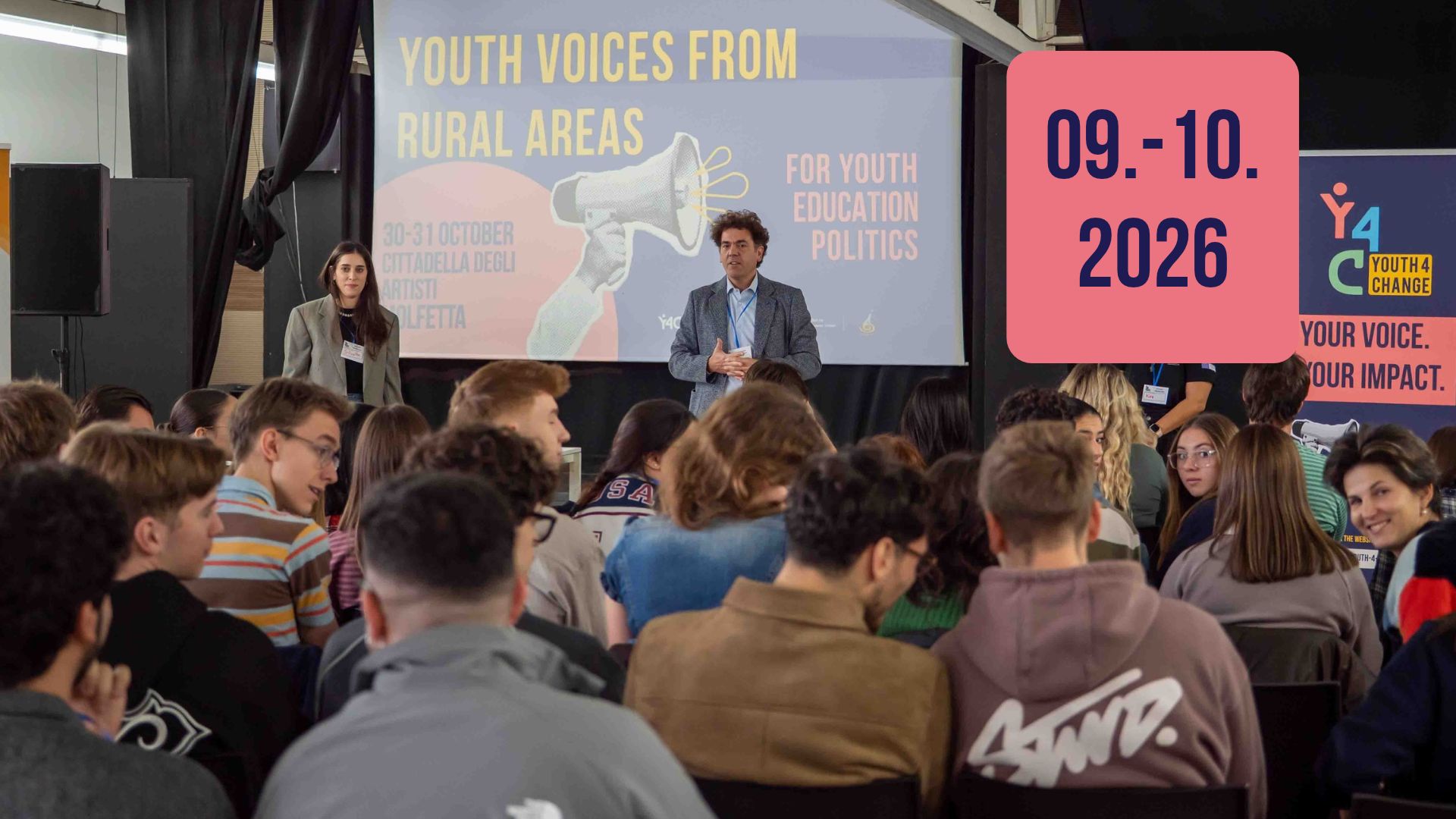
On 30–31 October 2026, InCo Molfetta hosted Youth Voices from Rural Areas, a transnational study visit within the European project Youth4Change – My City, My Country, My Europe.
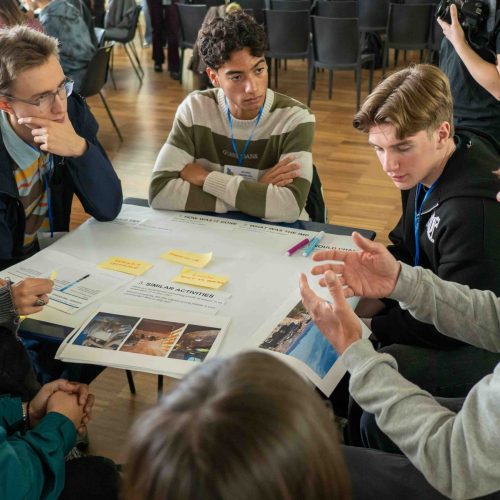
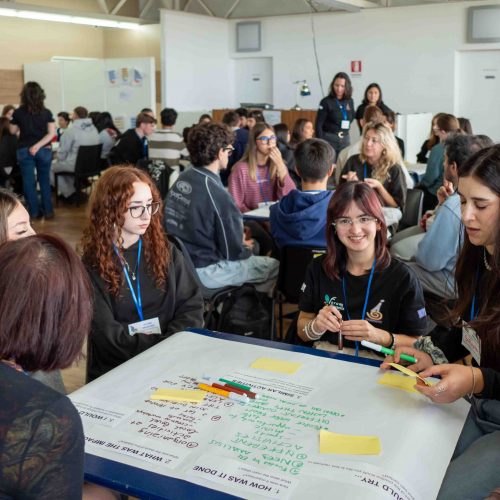
Participants from different European countries explored youth participation, social inclusion and active citizenship through good practice exchanges, creative activities, local study visits and direct dialogue with decision-makers.
The central question was: How can young people make their voices heard and actively participate in decision-making at local and European levels?
Friday, 30 October: Discovering good practices and reimagining our cities
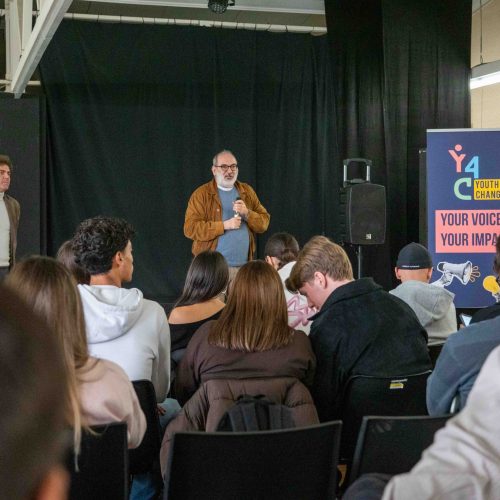
The programme opened at the Cittadella degli Artisti with a welcome from Luigi Balacco of InCo Molfetta, an introduction to the venue and a round of icebreakers to get everyone talking.
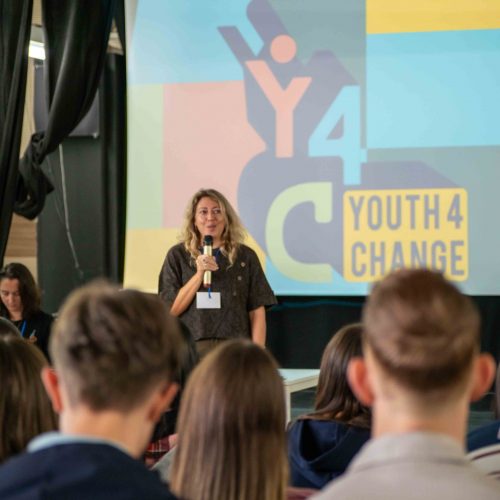
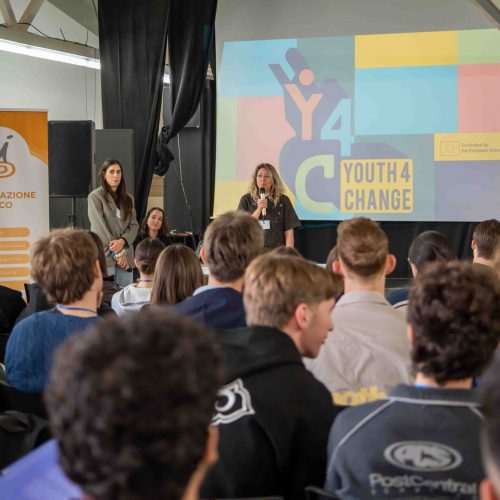
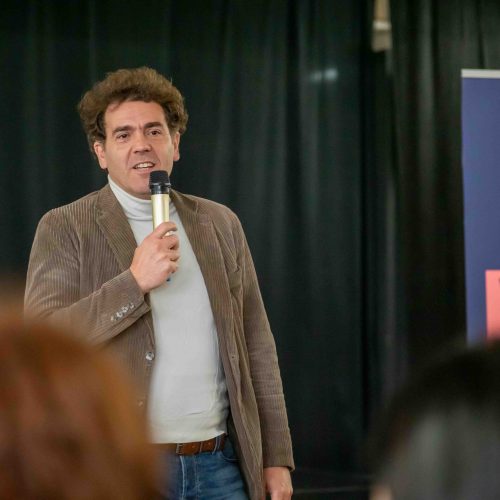
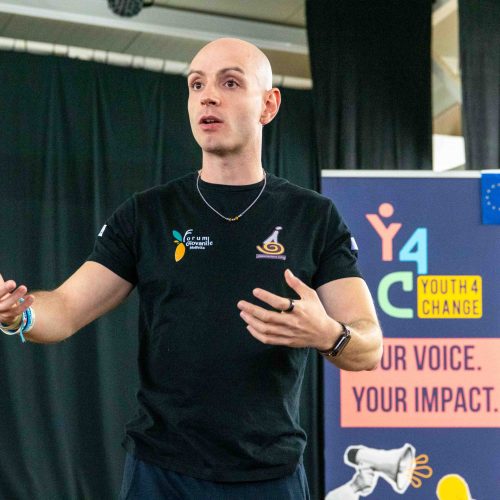
Myrto-Helena Pertsinidi, Youth4Change project coordinator at Jugend- & Kulturprojekt e.V., then introduced the project and its goals. Pointing to the youth-led demonstrations taking place across Europe, she stressed how much young people’s active participation matters to civil society. Silvia De Palo of InCo Molfetta followed with more information on the project and on what lay ahead in Molfetta.
Sharing good practices across Europe
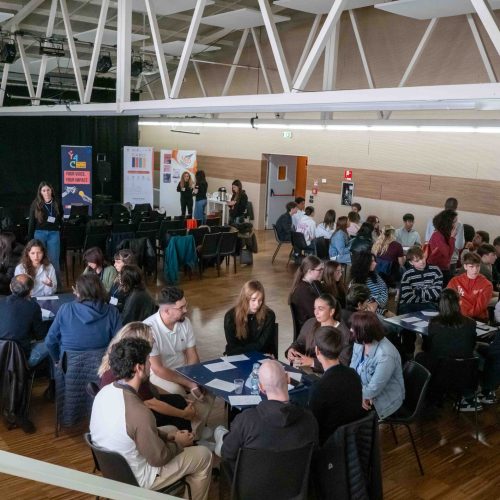
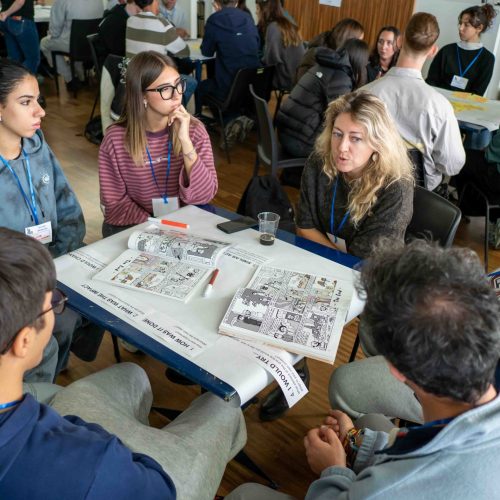
The morning focused on initiatives developed by partner organisations, offering participants inspiration and practical tools to promote youth participation in their communities.
Youth participation – OBESSU: The campaign to lower the minimum voting age to 16 across Europe and strengthen political education.
Structured dialogue – IDEA: Local debate clubs encouraging critical thinking, discussion and democratic engagement.
Intercultural dialogue – CEMyRI, University of Almería: Views from Informal Settlements, a photography exhibition using the Photovoice method to share the experiences of people living in informal settlements in Níjar, Almería.
Civic education – MANO Europa: Youth councils in Lithuania, helping young people raise awareness of issues affecting their peers and bring their concerns to decision-makers.
Pedagogical methods – JKPeV: Graphic novels as creative educational tools, including comics developed through Echoes in Ink, a project exploring the history of Dresden’s Jewish community.
Media literacy and youth spaces – InCo Molfetta: Local experiences such as Radio FGEN and the Forum Giovanile di Molfetta, showing how communication and youth-led spaces can create opportunities for expression and participation.
The exchange highlighted how different approaches can help young people develop their skills, express their opinions and become active members of their communities.
A city through young people’s eyes
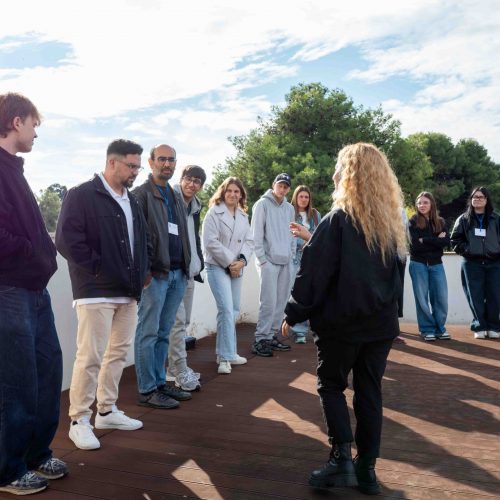
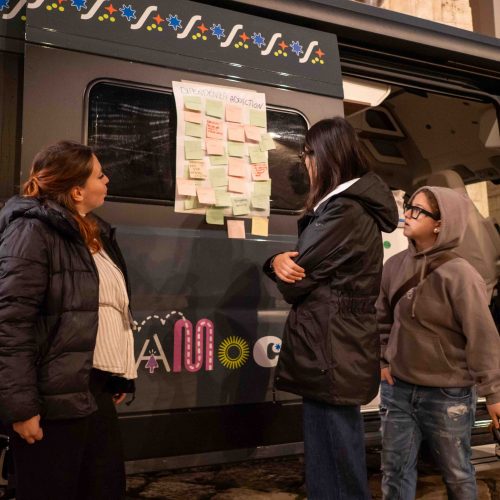
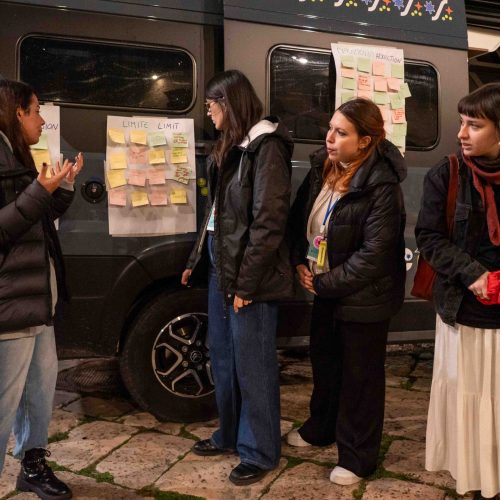
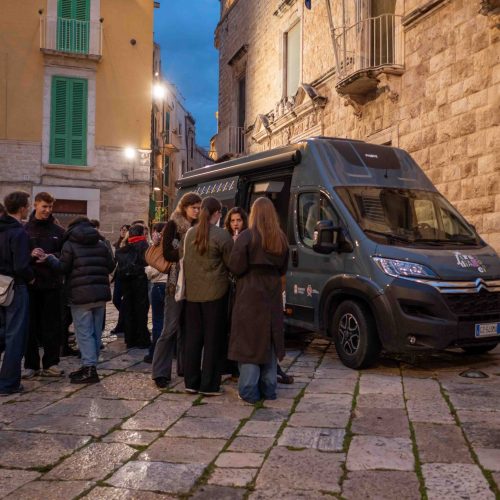
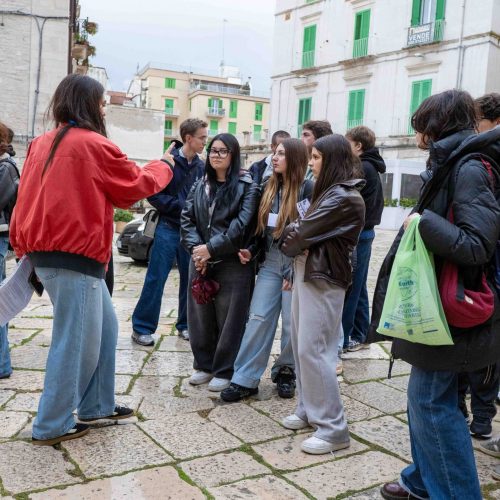
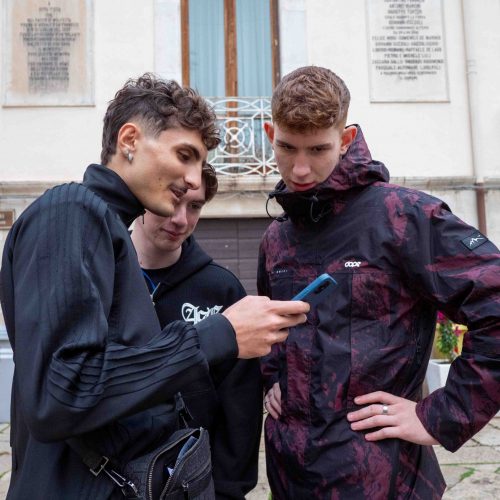
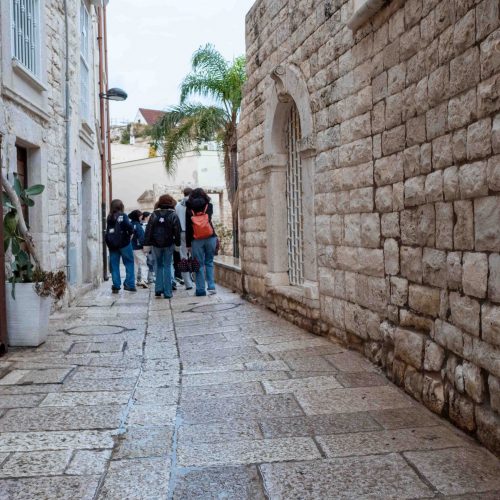
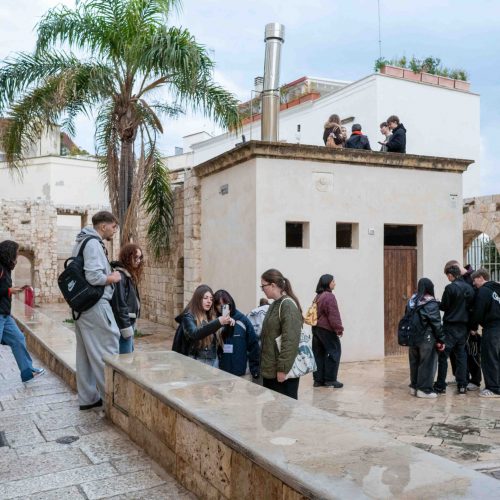
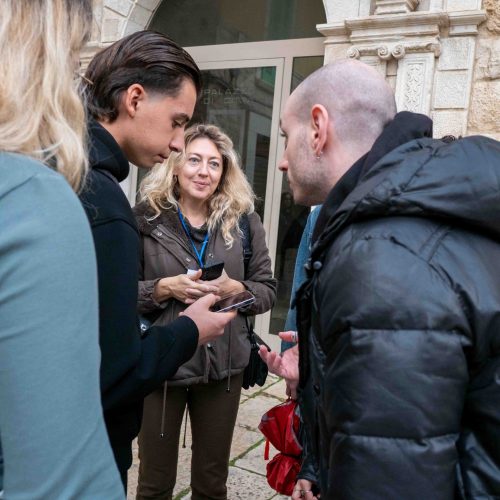
In the afternoon, a city treasure hunt invited participants to explore Molfetta in groups and imagine how its public spaces could become more accessible, inclusive and engaging for young people. Through challenges and creative reflection, they discussed what makes a city welcoming and how young people can contribute to shaping their surroundings.
The programme continued with a visit to Instradiamoci, a street education project run by Comunità Oasi and the Municipality of Molfetta. Participants learned how outreach work can support young people facing difficult circumstances, risk-taking behaviour and limited access to services and opportunities.
The day concluded with dinner at Insuperbar, an inclusive restaurant promoting employment and participation for people with disabilities and people with special support needs. The initiative offered a concrete example of how social inclusion can become part of everyday life.
Saturday, 31 October: From dialogue to opportunities for young people
The second day focused on the relationship between young people, institutions and opportunities at local, regional and European levels.
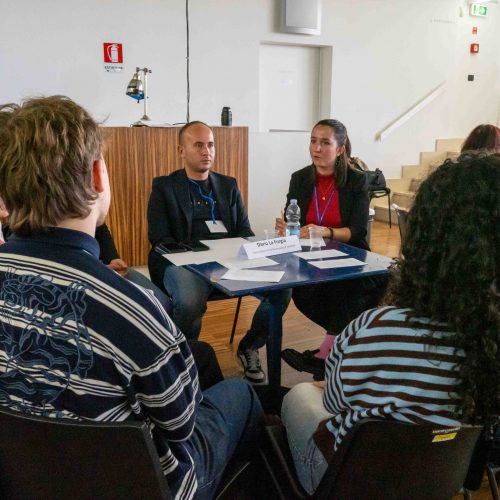
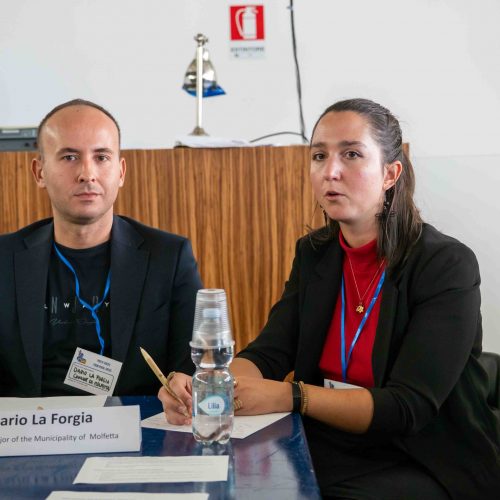
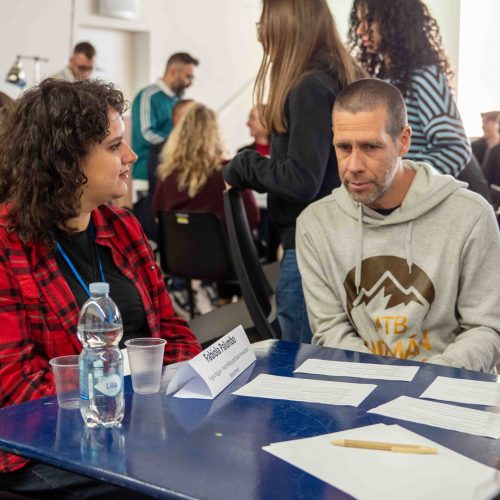
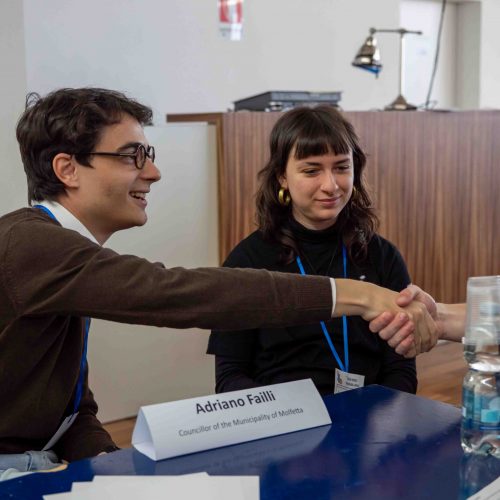
A Coffee with Decision Makers
A Coffee with Decision Makers created a space for direct dialogue between participants and representatives of institutions and organisations working on youth policies, participation and employment.
The discussion involved:
Dario La Forgia, Deputy Mayor for Youth Policies of Molfetta
Adriano Failli and Simone Andriani, members of the Molfetta City Council
Fabiola Palumbo, youth worker working with the Apulia Region and its Department for Youth Policies and Innovation
Marco Costantino, from the same regional department
Matteo Sisto, project manager at Europiamo
Saverio Lapi, from Prometeo ETS
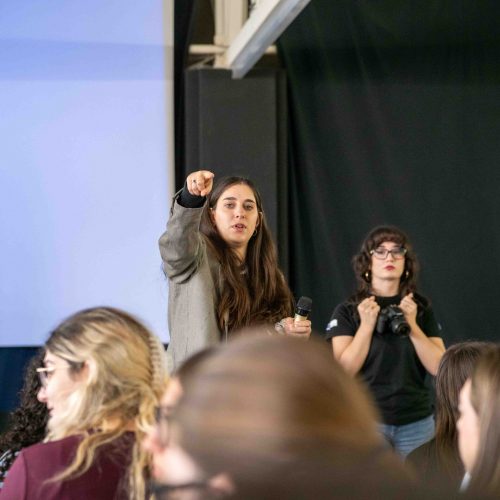
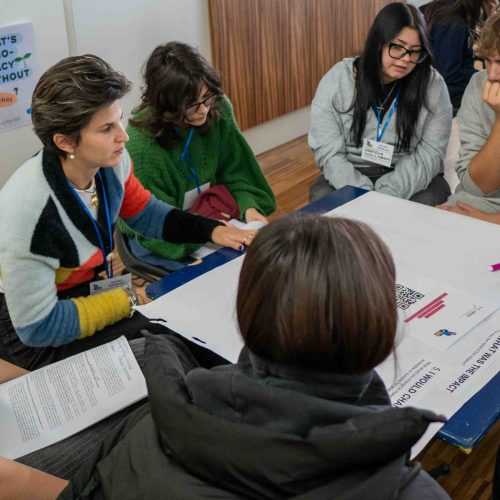
Participants discussed barriers to youth participation, existing opportunities and ways to strengthen dialogue between young people and decision-makers, emphasising the importance of involving young people in decisions that affect their lives.
Skills and opportunities to build a future locally
A workshop led by Saverio Lapi, Pasquale Venditti and Maria José Morales Duran from Prometeo ETS explored employment opportunities for young people in Southern Italy.
The session addressed labour market needs, professional skills, education and vocational training, encouraging participants to reflect on how local opportunities can help young people build their futures without necessarily leaving their communities.
The Forum Giovanile di Molfetta: Young people making change happen
Federica Centrone and Marcello Del Rosso presented the Forum Giovanile di Molfetta, explaining how it was established and how it creates opportunities for young people to participate in local life.
One particularly inspiring example was a campaign for a skatepark in Molfetta, initiated by an 18-year-old Forum member. The initiative collected around 400 signatures and received support from the local administration, demonstrating how a young person’s idea can become a concrete proposal through collective action and dialogue with institutions.
Discovering European opportunities with Europiamo
In the final workshop, Matteo Sisto from Europiamo introduced the European Youth Goals and opportunities available through European programmes. Participants explored how international mobility, cooperation and youth initiatives can support personal development, democratic engagement and active citizenship.
The session connected the local experiences discussed throughout the study visit with the wider European framework, highlighting opportunities to develop skills, exchange ideas and contribute to change.
Two days of exchange, one shared goal: giving young people a voice
The study visit concluded with closing remarks from Manuel Minervini, Mayor of Molfetta, followed by a collective evaluation using the Pizza Evaluation methodology. Participants reflected on the activities and shared feedback on their experiences. The event ended with a concert at ENVY APS, providing an informal opportunity to celebrate the connections built over the two days.
From exchanging European good practices to exploring urban spaces, learning about inclusive employment and meeting decision-makers, the study visit showed that youth participation can take many forms: a conversation, a local campaign, a creative activity or a space where young people feel welcome and heard.
The experience in Molfetta highlighted the value of connecting European perspectives with local realities. By bringing together young people, organisations and institutions, Youth4Change encourages communities to create more inclusive opportunities for participation and democratic engagement.
Because young people should not only be the future of their communities — they should have a voice in shaping them today.
About Youth4Change
Youth4Change – My City, My Country, My Europe is a European project promoting youth participation, democratic engagement, inclusion and active citizenship through cooperation between organisations and communities across Europe.
Funded by the European Union. Views and opinions expressed are however those of the author(s) only and do not necessarily reflect those of the European Union or the European Education and Culture Executive Agency (EACEA). Neither the European Union nor EACEA can be held responsible for them.